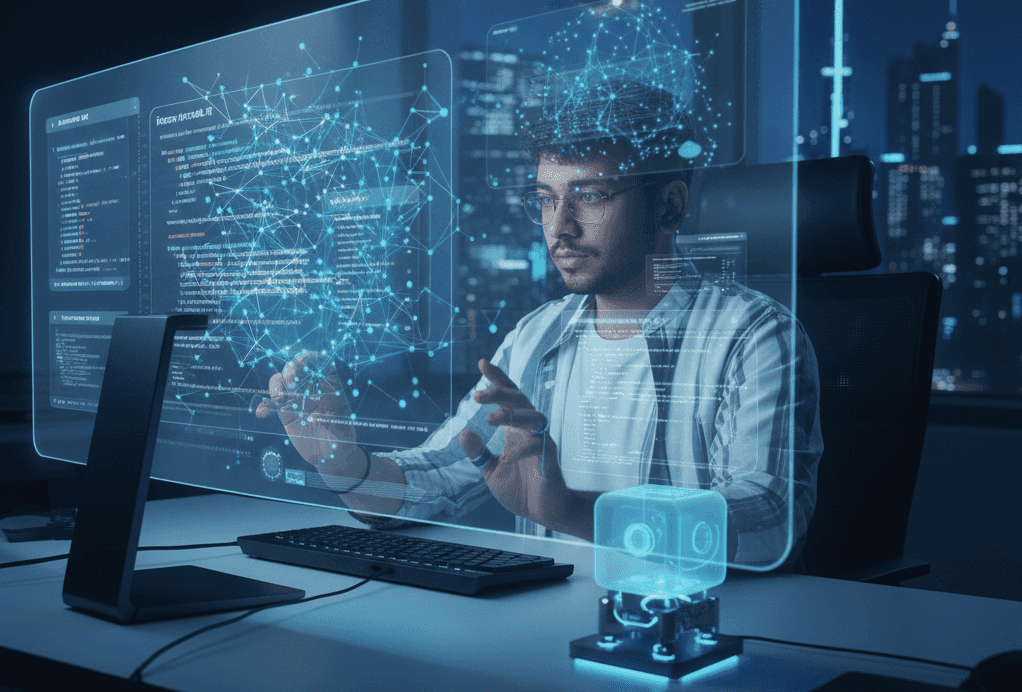
I have been working as a Software Engineer for half a decade now.
During this time, I worked with a growing startup and an established one.
I wanted to share my thoughts on how engineering has evolved over these many years.
The Era of Human-Centric Engineering

It was before 2019, when people used to take their good sweet time to learn DSA, Backend, Frontend, Data Science, and other concepts with limited resources. The concept of YouTube learning was growing, and players like Coding Ninja, Coding Blocks, and Pep Coding were selling their courses.
College students were putting in efforts to make their tech fest a super success and set a new standard of coding culture. Hackathon culture started getting popular across the nation, and Smart India Hackathon was introduced.
It was a time when people were unknowingly moving into a tech-first world.
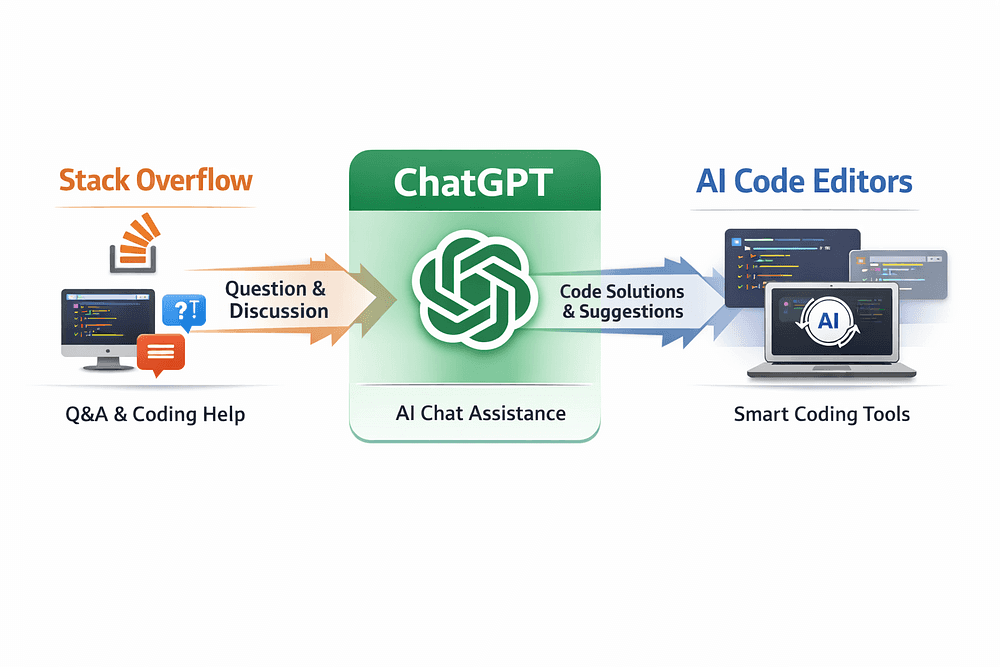
Software Engineers and engineering students used to rely on someone’s expertise to gain knowledge about engineering, and on online forums like Stack Overflow.
First, they learn, then they develop something, they get expertise by themselves, and become a resource for others.
That was a time when crafting a basic landing page and creating an MVP took months to deploy.
Well, time moves fast, and COVID hits…
Everything Has Gone Virtual

As 2020 started and people began working virtually due to lockdown, things started relying on the tech infrastructure, which was itself in a growing phase.
This brought a boom to the tech industry. Online platforms like Zoom and Google Meet became go-to tools for everyone, and engineers started learning about WebRTC and complex distributed systems.
Staying at home prevented the wastage of time, and engineers became more skillful and resourceful. People in full-time jobs started doing moonlighting. Students started doing freelance or upskilling themselves in DSA, System Design, and trending technologies. HRs quickly adapted to new tech vocabulary.
DSA became a must-have skill for freshers to get into product-based MNCs and top startups.
Start-up culture started booming, and inflated salaries started creating FOMO and existential crises among freshers and experienced professionals. The industry got flooded with frontend, backend, DevOps, and data engineers.
Then a day came when this world was introduced to the word ChatGPT, and the word that no one knew would change engineering forever.
AI: The New Normal
An engineer unknowingly moved from Stack Overflow to ChatGPT. Discussions among engineers moved to a discussion with an AI bot.
Years-old Google search habits became obsolete.
Prompt engineering was born, and everyone started creating AI chatbots. Startups started getting insane funding on the foundation of prompt engineering until OpenAI launched a new feature and disrupted the idea.
Back-to-back new players are getting into the limelight, like Gemini and Claude. Industry started taking a shift from a human skill set to an agentic skill set.
While engineers were getting better at using GPTs and prompt engineering, AI code editors like Cursor and Claude stole the show. No need to go to ChatGPT anymore.
The shift was drastic but quickly adaptable.
With more and more models coming in across different strategies like thinking, coding, deep analysis, etc., engineers and companies started introducing them into their day-to-day tasks.
Within a year, human engineers who relied on their memory and documentation can’t imagine even an hour without AI.
Either use AI or get obsolete, no choice left.
That’s not because AI is a new thing in the market, but the impact is real.
Tasks that took months to complete can now be done in a week or so.
MVP creation accelerated drastically because now you have an AI assistant who can look into bugs and enhancements. Instead of delegating tasks to junior engineers, people prefer delegating to agents. That’s where freshers get impacted.
Every human engineer has their own learning curve, while an AI agent has zero. But an agent works on commands, and how one uses it makes a difference.
Now the race from becoming a strong engineer to becoming a strong instructor has started.
- The more you understand AI, the more it helps.
- Your job depends on how you use AI.
- It’s a new opportunity to fly with AI as your co-pilot.
AI won’t snatch your job, but the one who uses it optimally will.
I'm curious what the industry demands from Software Engineers until I reach a decade.